Tracing the Growth of Progressive Jackpot Networks Across Digital Gaming Platforms
Written by Henrik Vogel · Oct 3, 2026
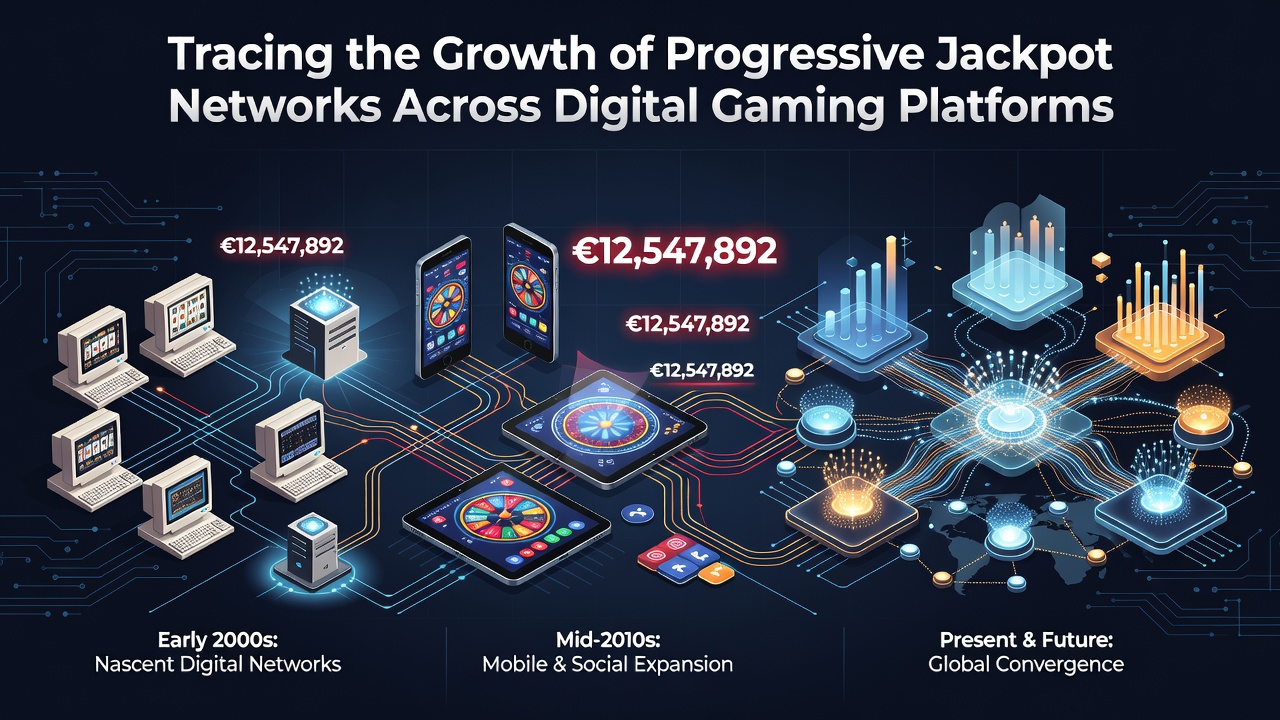
The Expansion of Progressive Jackpot Networks Through Digital Gaming Ecosystems
Progressive jackpot networks began with physical machines linked in single venues during the late 1980s, when operators in Nevada connected multiple slots to share a growing prize pool that increased with each bet placed. Data from the Nevada Gaming Control Board shows these early systems paid out millions in combined jackpots by the mid-1990s, establishing a model where contributions from numerous players funded larger rewards than standalone machines could offer. Researchers at the University of Nevada, Las Vegas Center for Gaming Research documented how these setups spread to other states as operators recognized the appeal of escalating prize amounts that drew crowds during peak hours. Digital platforms accelerated the model once internet gaming emerged in the late 1990s, allowing operators to pool bets across distant locations rather than limiting connections to one building. Software providers developed central servers that tracked contributions in real time, which enabled jackpots to grow continuously even when players logged in from separate regions. By 2005 several major networks already linked thousands of machines across Europe and North America, with contribution rates typically set between 1 and 3 percent of each wager feeding into the shared pool. Figures from industry reports indicate that average jackpot sizes rose from under $100,000 in 2000 to several million by 2010 as participation scaled.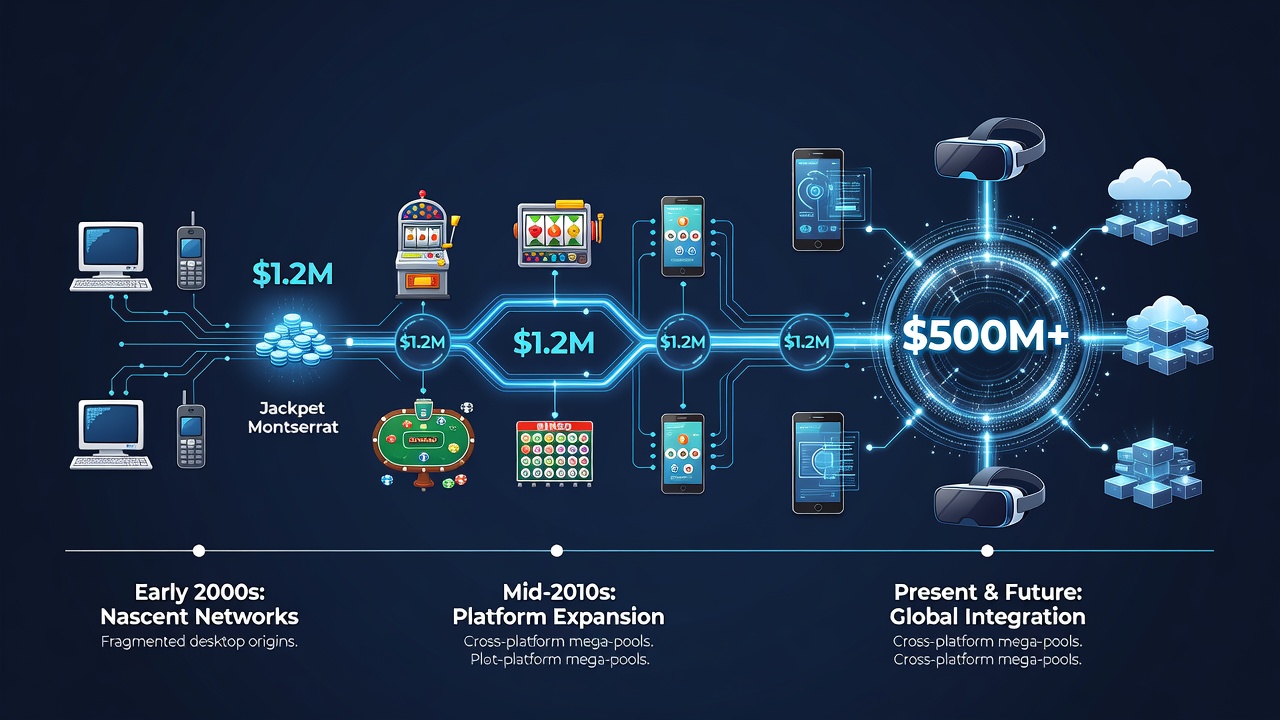
Progressive jackpot networks began with physical machines linked in single venues during the late 1980s, when operators in Nevada connected multiple slots to share a growing prize pool that increased with each bet placed. Data from the Nevada Gaming Control Board shows these early systems paid out millions in combined jackpots by the mid-1990s, establishing a model where contributions from numerous players funded larger rewards than standalone machines could offer. Researchers at the University of Nevada, Las Vegas Center for Gaming Research documented how these setups spread to other states as operators recognized the appeal of escalating prize amounts that drew crowds during peak hours. Digital platforms accelerated the model once internet gaming emerged in the late 1990s, allowing operators to pool bets across distant locations rather than limiting connections to one building. Software providers developed central servers that tracked contributions in real time, which enabled jackpots to grow continuously even when players logged in from separate regions. By 2005 several major networks already linked thousands of machines across Europe and North America, with contribution rates typically set between 1 and 3 percent of each wager feeding into the shared pool. Figures from industry reports indicate that average jackpot sizes rose from under $100,000 in 2000 to several million by 2010 as participation scaled.Technological Shifts Driving Network Scale
Mobile devices and faster broadband connections further expanded reach after 2010, when operators began offering progressive titles through apps and browser-based platforms that accepted wagers from any connected location. This shift allowed networks to incorporate games from multiple providers under single prize pools, creating cross-platform contributions that previously required separate systems. Observers note that integration of random number generators with centralized accounting software ensured fairness while maintaining the continuous growth of jackpots across time zones. One study published by the New Jersey Division of Gaming Enforcement in 2018 revealed that mobile progressive play accounted for over 40 percent of total network contributions in regulated markets, a proportion that continued climbing as device penetration increased. Those who analyzed transaction logs found that peak activity often occurred during evening hours across multiple continents, which kept prize pools accumulating without interruption.