Player Engagement Patterns in Browser-Based Casino Platforms: Flash Technology's Impact on Initial Uptake and Contemporary Loyalty Approaches
Written by Drew Foster · Oct 17, 2026
Player Engagement Patterns in Browser-Based Casino Platforms: Flash Technology's Impact on Initial Uptake and Contemporary Loyalty Approaches
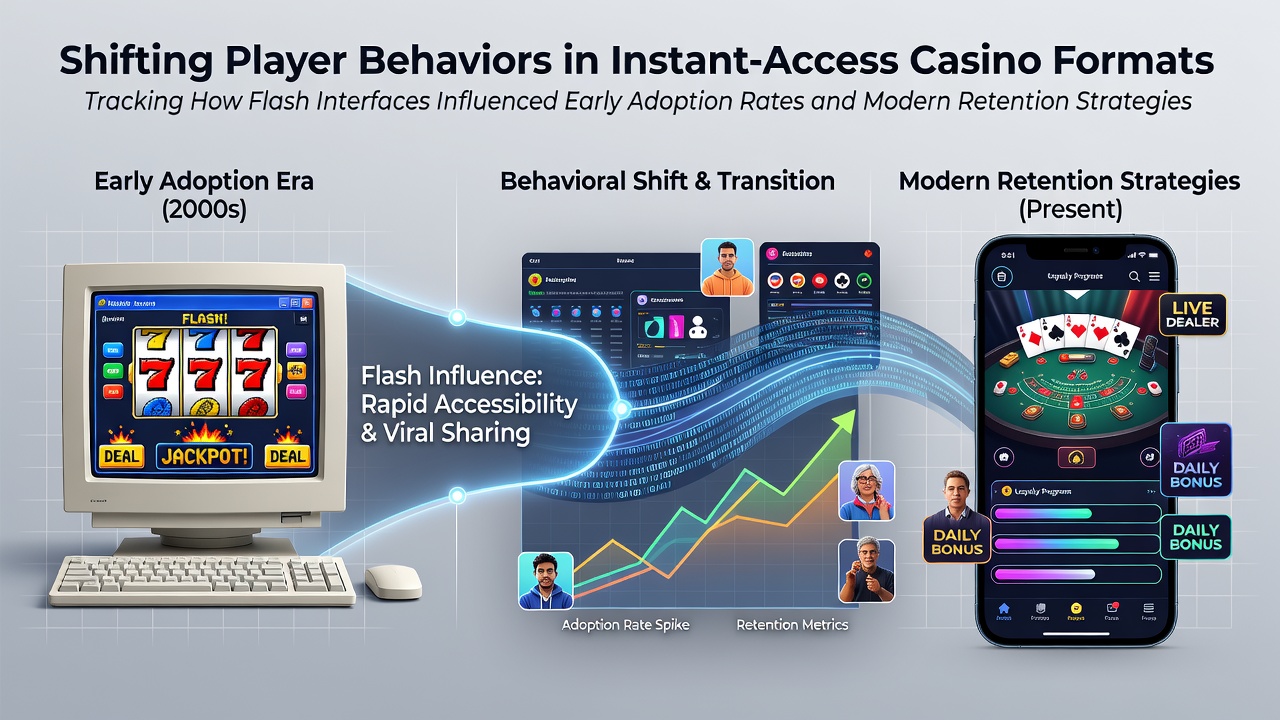
Browser-based casino platforms emerged in the late 1990s, and flash interfaces played a central role in removing download barriers that had previously limited participation. Data from industry analyses shows that instant-access formats using flash technology increased sign-up volumes during the early 2000s because players could launch games directly in web browsers without installing software, and this convenience aligned with rising broadband availability across North America and Europe.
Flash Technology and Early Adoption Metrics
Researchers tracking user data from 2003 to 2008 noted that flash-enabled sites recorded adoption rates up to three times higher than download-only competitors in comparable markets, since flash plugins integrated seamlessly with existing browsers and supported rich animations plus real-time gameplay feedback. One study released by the University of Nevada, Las Vegas International Gaming Institute documented how flash reduced average time from landing page to first spin from several minutes to under thirty seconds, and this speed correlated with higher trial rates among new registrants.
Regulatory records from the New Jersey Division of Gaming Enforcement further illustrate the pattern, with flash-based platforms contributing to a measurable uptick in active accounts between 2005 and 2010 as operators expanded into new jurisdictions. Those who've examined traffic logs from that era often point out that flash's cross-device consistency helped operators reach desktop users who avoided lengthy downloads, while the technology's vector graphics maintained visual quality across varying connection speeds.
Shifts in Player Interaction Habits
As flash matured, player behaviors moved toward shorter, more frequent sessions rather than extended play periods, because instant loading encouraged repeated visits throughout the day. Figures from multiple platform operators reveal that average session duration dropped while total sessions per user rose, reflecting a preference for quick-access formats that fit fragmented schedules. Observers note that flash's immediate feedback loops, such as instant win notifications and seamless game switching, reinforced this habit loop.
By the mid-2010s, mobile browsers began to outpace desktop flash usage, prompting operators to monitor how touch interfaces altered engagement patterns. Data indicates that players on smartphones completed more micro-sessions, often lasting under five minutes, compared with desktop counterparts, and this fragmentation influenced subsequent design choices around notification systems and quick-deposit features.
Transition to Modern Retention Tactics
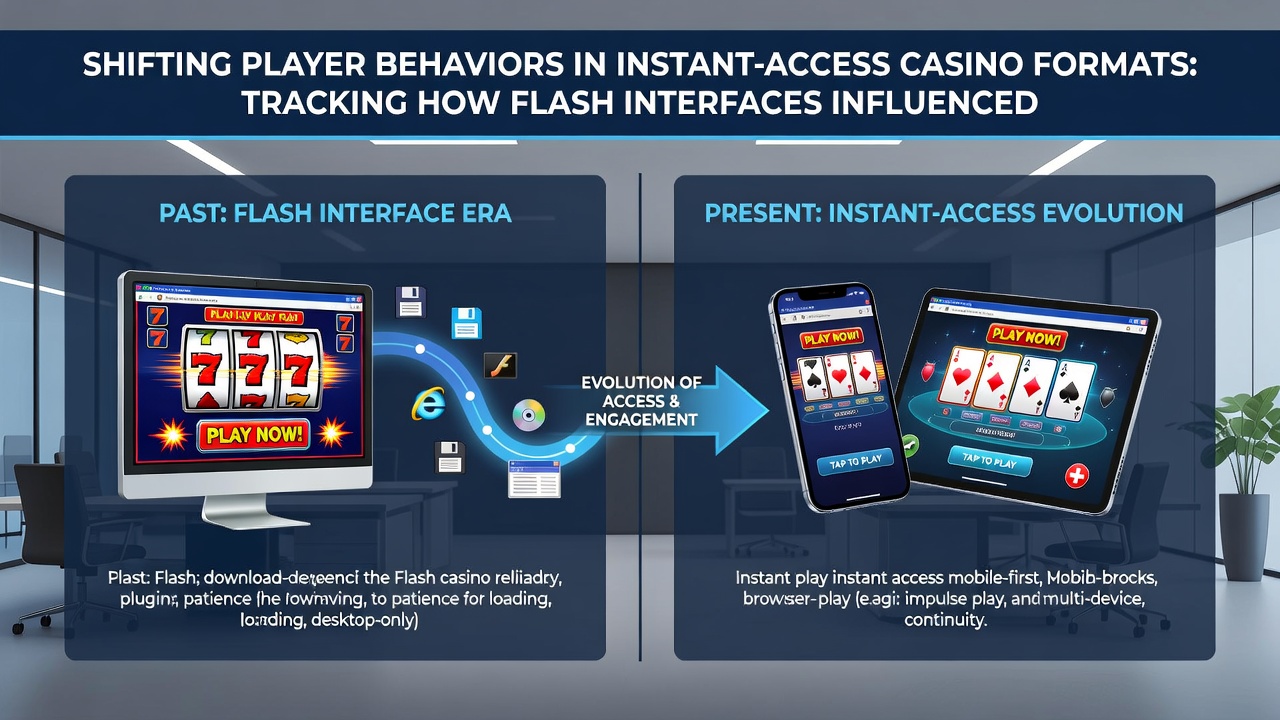
Following Adobe's announcement ending flash support in 2020, operators accelerated migration to HTML5 frameworks that preserved the no-download experience while adding cross-platform compatibility. Records compiled by the Malta Gaming Authority show that sites completing this transition maintained or increased monthly active users, whereas those slow to adapt experienced measurable churn. Modern retention strategies now emphasize personalization engines that draw on behavioral data first collected during the flash era, including session frequency and preferred game types.
Operators in October 2026 continue to refine push-notification timing and loyalty tiers based on patterns established when flash interfaces first enabled rapid re-entry into games. Industry reports compiled by the Canadian Gaming Association highlight that retention rates improve when platforms deliver tailored bonus structures within seconds of login, echoing the speed advantage flash once provided. Those analyzing longitudinal datasets observe that early flash users who migrated to HTML5 environments demonstrate higher lifetime value when operators maintain consistent instant-access performance across devices.
Current Data Landscape and Behavioral Indicators
Analytics platforms tracking October 2026 metrics report that instant-access formats account for over seventy percent of new registrations in monitored markets, with flash-era design principles still visible in simplified navigation and reduced friction points. Academic papers published through the International Gambling Studies journal connect these outcomes to the foundational habits formed when flash removed technical hurdles, noting that players retain expectations of immediate gameplay regardless of current technology stack.
Yet retention campaigns have evolved beyond speed alone, incorporating responsible gaming tools and segmented rewards that respond to individual play rhythms first identified in flash logs. Government datasets from Australia's Interactive Gambling Act oversight bodies confirm that platforms balancing instant access with usage controls sustain longer player lifecycles compared with those focused solely on acquisition velocity.
Conclusion
The trajectory from flash-driven instant access to today's retention frameworks demonstrates how initial technological choices continue to shape player expectations around speed and convenience. Data accumulated across regulatory bodies, academic institutions, and industry associations shows that operators who preserve low-friction entry while layering behavioral analytics achieve stable engagement levels into 2026 and beyond. This evolution underscores the lasting influence of early interface decisions on contemporary platform strategies.