Consumer Confidence Trends in Digital Betting After Security Incidents
Written by Zoe Frank · Sep 19, 2026
Consumer Confidence Trends in Digital Betting After Security Incidents
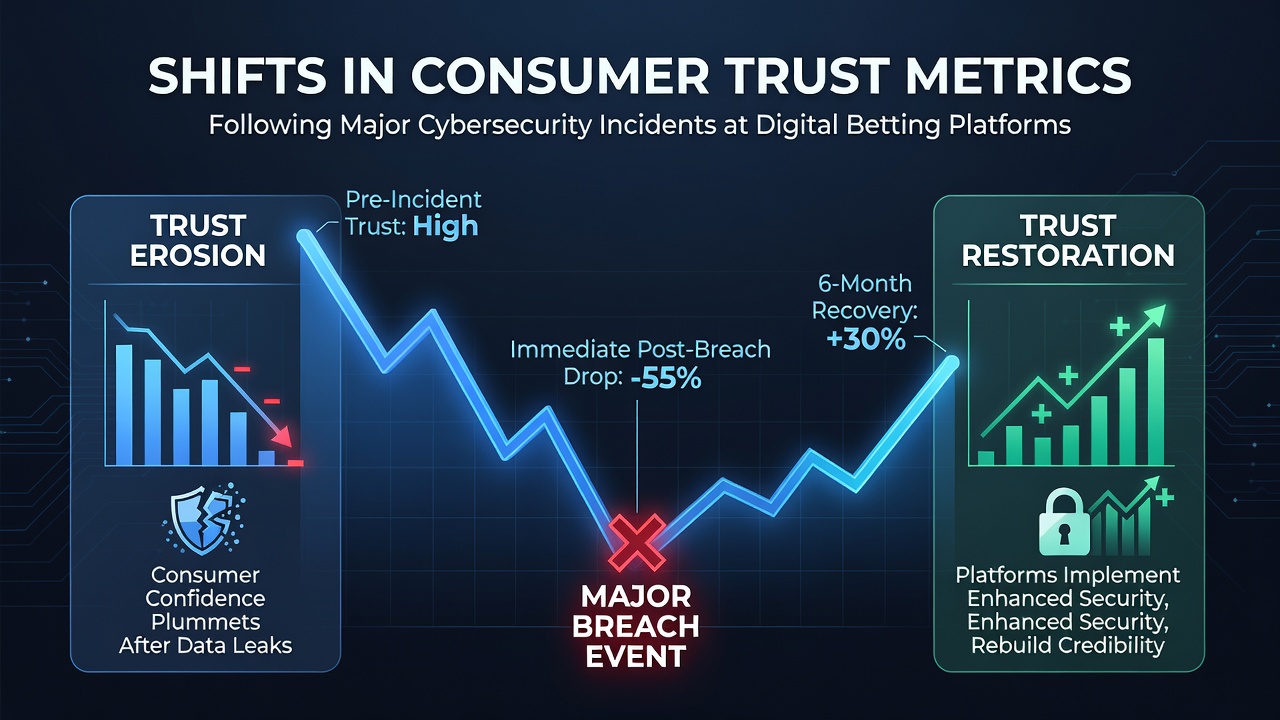
Digital betting platforms have faced repeated cybersecurity incidents that produced measurable shifts in consumer trust metrics, and researchers have tracked these patterns through deposit volumes, account retention rates, and survey responses on perceived security. Data collected across multiple jurisdictions shows that breaches involving unauthorized access to user credentials or financial details often led to immediate drops in active user engagement, while longer-term recovery depended on how quickly platforms implemented enhanced authentication measures and communicated remediation steps.
Documented Incidents and Initial Metric Responses
Incidents reported between 2024 and 2026 illustrate consistent patterns in how trust indicators moved after exposure events. One large European operator experienced a data exposure in early 2025 that affected payment processing systems, and subsequent analysis revealed a 28 percent reduction in new account registrations during the following quarter according to internal platform statistics. In September 2026, reports from affected North American services indicated similar contractions, with daily active users declining between 15 and 22 percent in the weeks immediately after public disclosure of credential leaks.
Those who study these events note that trust metrics rarely returned to pre-incident baselines within the first six months without visible upgrades such as mandatory multi-factor authentication and third-party security audits. Observers note that platforms which delayed public statements experienced steeper and more prolonged dips in user confidence compared with those that issued timely updates through verified channels.
Regional Variations in Trust Recovery
Recovery trajectories differed across markets, and figures from regulatory filings in Canada and Australia reveal distinct timelines. Canadian provincial data indicated that platforms incorporating independent penetration testing saw deposit activity rebound within four months, whereas Australian services that relied solely on internal fixes recorded slower stabilization extending beyond eight months. Researchers discovered that users in regions with stronger data protection frameworks tended to maintain higher baseline trust levels even after incidents, provided that compensation mechanisms such as account credits were offered promptly.
Measurement Tools and Data Sources
Analysts rely on several quantitative indicators to gauge trust shifts, including repeat deposit frequency, average session duration, and responses to standardized security perception questionnaires. A study released by the Cybersecurity and Infrastructure Security Agency compiled aggregated platform data and found that post-breach surveys consistently showed elevated concern over data handling practices among users aged 25 to 40. Another analysis from the European Union Agency for Cybersecurity examined cross-border betting services and documented that trust erosion extended beyond the directly affected platforms to influence perceptions of the broader sector.
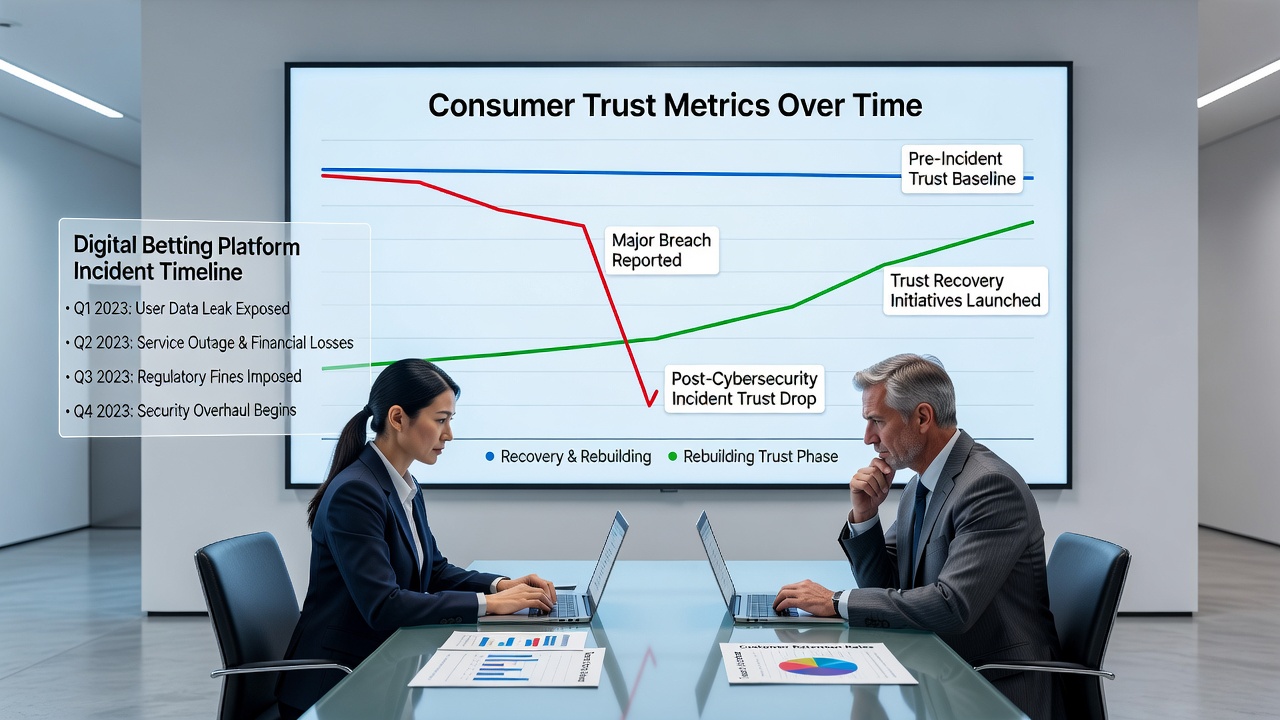
Academic researchers have applied longitudinal tracking to isolate variables that accelerate or hinder metric rebound. One university-led project examined user behavior logs from multiple platforms and determined that transparent incident reporting combined with visible security enhancements correlated with faster restoration of deposit volumes. Those who've examined the datasets emphasize that isolated incidents produced temporary effects, while repeated breaches at the same operator generated compounding distrust that persisted across subsequent quarters.
Longer-Term Industry Adjustments
Operators responded to these metric movements by adopting standardized security protocols and third-party verification programs, and industry reports show increased investment in encryption and monitoring tools during 2025 and 2026. Platforms that integrated continuous threat detection systems recorded smaller fluctuations in user retention following minor incidents compared with those maintaining legacy architectures. Evidence suggests that collaborative information-sharing arrangements among operators helped limit the spread of similar vulnerabilities, thereby moderating the scale of trust metric disruptions across the sector.
Conclusion
Available data demonstrates that cybersecurity incidents at digital betting platforms produce clear, quantifiable shifts in consumer trust metrics, with recovery speed tied to response quality, regional regulatory context, and the adoption of verifiable security upgrades. Continued monitoring through established measurement frameworks provides the clearest picture of how these patterns evolve over time.